
Interview with Dr. Alice Brumley and Dr. Stephanie Gomez
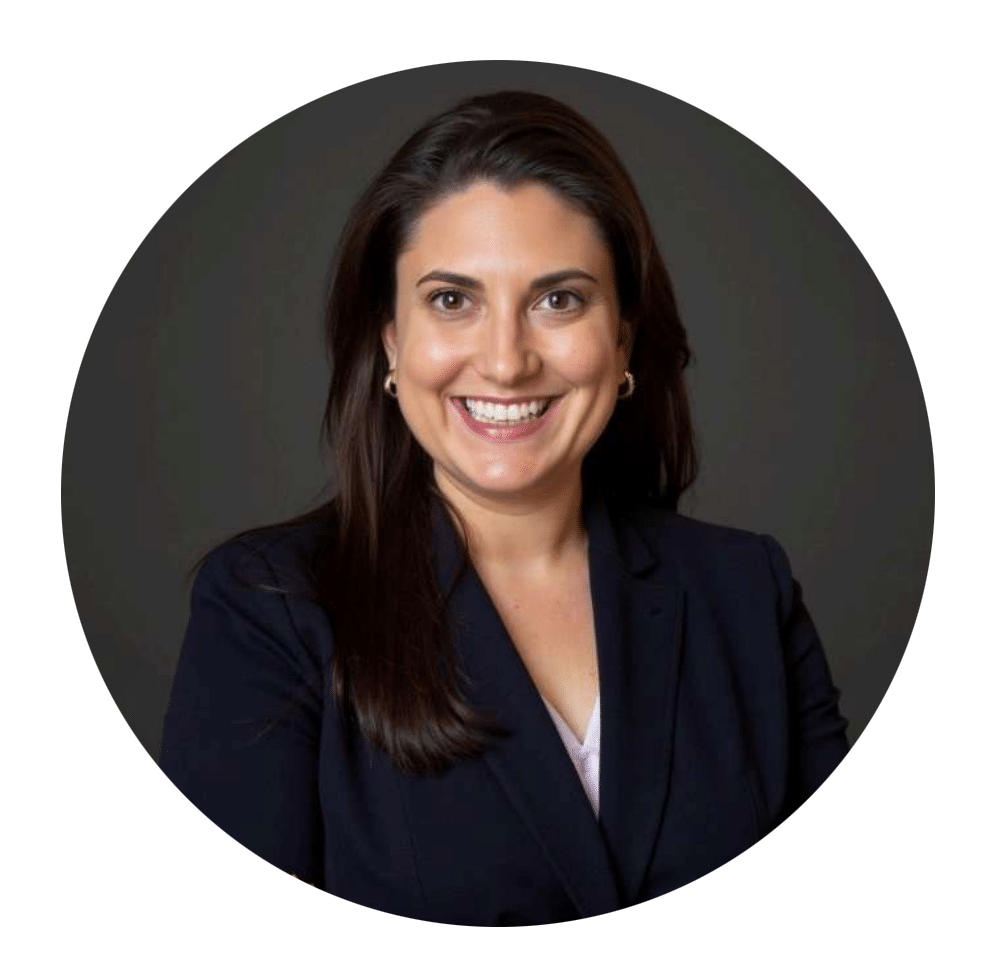
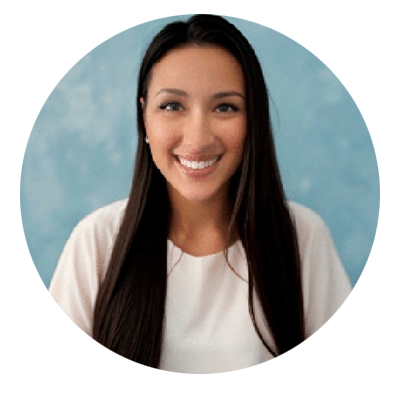
Topic: Reinventing Cognitive Care: The FAU Louis and Anne Green Memory and Wellness Center
Guest Name: Dr. Alice Brumley and Dr. Stephanie Gomez
Guest Credentials: Alice Brumley, DNP, APRN, AGPCNP-BC & Stephanie Gomez, DNP, APRN, AGPCNP-BC
Discussion Details: Join us for an inspiring conversation with Dr. Alice Brumley and Dr. Stephanie Gomez from the FAU Louis and Anne Green Memory and Wellness Center.
In this episode, we explore how the Memory and Wellness Center has grown into a comprehensive community resource, far beyond neuropsychological testing. You’ll learn how their programs are uniquely designed to support both patients and caregivers, offering a true one-stop hub for education, guidance, and connection, even for individuals who may not undergo testing.
Benefits of Watching: Dr. Brumley and Dr. Gomez walk us through what early diagnostics really look like, how early intervention can change the trajectory of cognitive health, and how their team helps ease the fears and misconceptions surrounding the testing process.
Most importantly, discover how to access a network of services, trusted providers, and meaningful support, including an exceptional adult day center unlike any other.
Website of Guest’s Business:
https://www.faunursing.org/mwc/
Address of Guest’s Business:
777 Glades Road Bldg AZ-79
Boca Raton, Florida 33431
Dr. Alice Brumley: Thank you.
Dr. Stephanie Gomez: Thank you for having us.
Dana Serrano: Thank you for joining us today. Uh they are part of our fantastic community partners that support our community of patients that have mobility and memory disorders. And today we’re going to spend a little time with them to get a little more information not only on the testing process but the supportive services that exist at FAU Memory and Wellness Center and debunk some of the scary concerns that people have, the myths and the legends regarding the testing process for our loved ones and and possibly for ourselves. Thank you again. So I am going to start with just some basic questions with you guys. I I know we have a lot of people who are interested in your services and I for one can say that every patient that has gone through the FAU center whether it’s for testing or supportive care you guys are amazing and really have made such a difference in this community and I love what you do and I think it’s so important for our audience or our community to know exactly what’s out there for them and their families. So, I’d love to get a little bit of an idea if you both can explain what your services encompass and we can go from there.
Dr. Alice Brumley: Yeah, absolutely. So, I’ll get us started on that. Thank you again so much for this opportunity and you know, it’s we’re we’re very much uh community-minded and we want to uh be there in any way possible that we can for those in the community, especially when they’re dealing with changes related to memory or cognition. um potentially with a dementia diagnosis. Not only do we provide an array of services to those individuals that are affected, but to the whole family because we know that there’s a lot involved in these types of changes and as we get older and um you know, our risk for developing dementia does go up. So it’s really important to be as proactive as possible in both learning how can you keep your brain healthy and and aging healthy and then what can you do to prepare if you are facing a dementia diagnosis um and what can you do you know for your family members because a lot of them will end up taking on the role of a caregiver. So, we have a lot of services here. Some of which are covered by insurance um and then some of which are no cost supported by various grants that we have through the state and federal government. Um so, I’m going to kind of go through a list of of some of those services. I’ll start off with talking about our comprehensive memory and wellness evaluation. This is where we do the memory testing and it is a three-part process where you first begin in meeting with one of our fantastic nurse practitioners like Dr. Gomez and you will do a very comprehensive intake looking at your what what are your specific complaints you what are you experiencing um and that the Dr. Gomez is going to go a little bit more into that later. Um what medications are you on? What’s your medical history? What are um your family history? There’s a lot of components that we look at. Social history, your diet, your exercise, you know, what is your daily life like? And we really collect all of this information and then determine the appropriateness for the neurosych testing which we will get more into details on that component. And then find that that evaluation wraps up with a visit with the nurse practitioner again to go over the results and findings. And you will receive a very comprehensive care plan that’s developed by our entire team which is an interdisciplinary team composed of um the nurse practitioners, the neurosychologists and social workers and more. So we really try to look at this from every avenue and give you the best recommendations available which often includes many community partners and um resources that are available in the community like the cognitive rehabilitation services with gate mechanics which we’re definitely a big fan. We’ve seen amazing results in our in our patient population when they go through and and obtain these services oftentimes which are covered by your insurance. So we try to encourage use your resources. You know this is why you have the insurance. So it’s really important to be as proactive as possible in maintaining your brain health. Some of the other services that we have, we do offer driving evaluations and this is going to be ordered by your doctor. So we would get a referral from your community provider. Um we also have an adult dayc care program here where it is a certified as a specialized Alzheimer’s disease and related dementias adult day center. We have activities going on throughout the whole day to stimulate you cognitively, socially, physically. We do chair yoga, chair aerobics, we have art programming, live musical performances, animal therapy, you name it, we have a lot going on over at the adult day program. Very exciting. Um, we also have many nocost services through our various grants. One of which is one-on-one caregiver coaching through the reach program. And this is a fantastic opportunity right now where um individuals who are caring for a loved one with dementia can have that one-on-one individualized coaching to help with behavioral symptom management. So, that’s been a tremendous program. We also have um home visits case management for people who are specifically living in Broward County. And then we have um we’re doing specialized training for providers in the community who are working with the intellectual and developmental disability community who are at a higher risk for developing dementia. Um we also offer psychotherapy. Our licensed clinical social worker Sarah who’s just absolutely fantastic. She leads many of the support groups and meets with a lot of the caregivers. She also offers individualized psychotherapy which is covered through the insurance as well. And then we have many research opportunities. We have a lot of ongoing support for our caregivers. This includes four weekly caregiver support groups that are each tailored to specific subgroups. We have one that’s in person and three that are online. Making it easy access, having a lot of options for, you know, all of everybody’s needs and really obtaining that support has been we’ve seen tremendous results in that because when you step into that caregiver role, it can often times be very isolating. So, it’s important to connect with others who are going through a similar experience. Um, did I miss anything?
Dr. Stephanie Gomez: I think we touched on everything.
Dr. Alice Brumley: Yeah.
Dr. Alice Brumley: Yeah. So, and then you know we constantly have a revolving door of new of new programs going on. We have a lot of students that come through here for learning opportunities. So, we have a lot going on at the center. Always trying to offer educational seminars to the community similar to what Gate Mechanics does. So, you know, lots of lots of activity.
Dana Serrano: Really a tremendous amount of services. And so what I’m getting from this is not just how fantastic you guys do your job and make sure that there’s supportive care there, but the fact that it’s not just a center for testing. And I think that’s where a lot of people have really not recognized all of the services that can be utilized. So I guess the next question that I would have is how would someone identify the need either in themselves or others to go forward and contact someone from the center? I know there’s a lot of gray area as far as when to reach out for help and oftentimes we are more reactive than proactive. So I’d love to hear your point on that.
Dr. Stephanie Gomez: Yeah. So um we believe that the sooner that you come and get uh evaluated the better for the long-term results, right? um because we have all these services that we can provide not just the patients but the caregivers um support services um community services. All of these together are going to help when it comes to the long-term um results of um these uh cognitive deficits that many of these patients may be having. And so through research, it’s shown that um starting earlier than later is going to help improve the long-term results of these. So usually we want um you to come in when there’s specific warning signs, right? So there’s many different warning signs that can occur. For example, um memory changes that can disrupt your daily life, repeating questions. Usually the caregiver um notices these changes where they have to repeat questions very frequently. Um or they notice that their loved ones are misplacing items very frequently. Um missing appointments or having a hard time keeping track of appointments. Um having a hard time with day-to-day things. um whether that’s um you know uh problem solving or word finding, having trouble recalling specific words that they want to say or um being able to organize their lives properly. Um um also we we see social withdrawal with a lot of our patients. So, um, changes with that, especially, um, let’s say they enjoyed four more activities before and now they’re withdrawing and they’re not enjoying those anymore because they’ve noticed changes in their cognition and they’re they’re afraid to go out in their community because other people may judge them or they may be talking about them and say, “Oh, look, so and so is being more forgetful.” Um, also driving concerns. if they’ve noticed that they’ve had more issues with um confusion while driving or not recognizing familiar places um while driving. Um emotional changes are also a big one. Um so more depression, more anxiety, all of these cognitive changes can increase those emotional changes as well. Um and so it’s good once those warning signs do come up or those um if the caregiver does notice those signs coming up a little bit more frequently, it’s good to come in and get tested and get evaluated because the neurosych testing will give us um what seems to be more subjective a more objective view of it through testing. So a lot of times let’s say uh some of our patients come in and say you know I’ve had trouble um with like executive functioning skills at home our neurosych testing will um specifically see if there are actual deficits that are significant in the executive functioning skills. And so we’re able to correlate, you know, what they’re saying with actual um data um written and that can be very beneficial because early detection um will ensure that we’re giving them these resources and these things to uh make sure that they implement uh uh things in their daily life that can improve. Um one of the resources that we like to use, like we said, is the gate mechanics resource. And I think that’s great because um you guys go in and help them with these um things as well. Word finding, executive function, problem solving skills. And so the sooner that you notice these signs, the better it is for the long term of the patient.
Dana Serrano: That’s great. And I think what you what you brought up really highlights a lot of what we do as well in the respect that most people would think of early onset of memory loss as the first thing that is is really the identifying factor. However, that can be easily masked. It can be emotional. It can be social withdrawal. Those are the symptoms and the things that I think we are so much better as a community understanding and identifying and pulling out. And that is such a huge piece of that. Our our our goal too is as we bring in our our OT team to to look at um organization and management of of their life and those sort of things, we are finding that those are sometimes the very first thing and and memory loss is maybe not quite the the only factor or maybe the factor that’s really stressing them out as a first identification. So I I love that you brought that to light.
Dr. Alice Brumley: Yeah. And often times I just wanted to mention about it. It it is very common for the individual not to recognize some of these more subtle changes. And so really, you know, I encourage you if you’re watching this video to, you know, trust your loved ones or trust your your providers who might be noticing these subtle changes. And, you know, it’s it’s worth the time and the effort to go through with the testing at least at the minimum to get a baseline. That way if there’s any changes down the road, we have a better understanding of where we’re what we’re starting with. And so, you know, just I because that that is oftentimes a something that comes up in those initial visits is them themselves may not recognize it, but your loved ones, they they’re doing this because they care about you and they’re pointing this out because they want you to to get the help that you might need, right? And that’s why we usually ask that family come in for the visits um because they can provide further insight into maybe smaller things that the patient hasn’t noticed um that they have noticed cuz they live with them. They’re they’re daytoday. Um and so yeah, that’s it’s very important.
Dana Serrano: Great points. I love that. I think that’s so important to to clarify those things. So what would be the next initial step if someone or their loved one needs to go through the process and get some initial testing done? What would be the first step for them doing that? Would they contact their doctor? Should they contact you?
Dr. Alice Brumley: So there’s multiple avenues in which you can go about obtaining the care directly. You can just contact us right away. You do not need a doctor’s referral in order to go through the testing because you will initially meet with one of our with one of our nurse practitioners. So, you can come in as a self-referral. So, you would just call our main line, which I’m sure will be provided along with this video. And um but just in case, it’s 561-2970502 and one of our clinic assistants will be able to assist you in getting the appropriate information, making running your insurance. We always check the insurance beforehand to so there’s no surprises about the any cost affiliated. If your insurance doesn’t cover it or if you don’t have insurance, fear not, please still contact us because we do have many opportunities for subsidy or scholarship in order to cover those necessary services. Um, and that’s through the generous support of donors in the community and our other community partners like Booker Richton Regional Hospital. Um so and otherwise you can definitely speak with your provider, speak with your physician, your nurse practitioner, either your primary care or your neurologist or even we have several endocrinologists. We have many specialists that directly refer to us as well and they can also send us your information with along with a referral and what the underlying um you know concern might be. So there’s multiple avenues to go about doing that. But one of, you know, if you want to speak directly to us and ask more questions, I definitely recommend picking up the phone and somebody will be in touch with you.
Dana Serrano: Fantastic. That’s a great advice. I love it. So, I guess the question that a lot of people would have after they go through testing is the what now question. I’ve gone through testing. Maybe the diagnosis is anxiety. Maybe the diagnosis is I have some mild cognitive impairment. Regardless of those diagnostics, what would be the next step? and what supportive services at FAU uh would there be provided to myself or my family to take next steps in combating whatever I’m dealing with.
Dr. Stephanie Gomez: Right. Um like Alice mentioned earlier, we do have um several sessions for for the evaluation. And so the first session like she said is with the nurse practitioner. We do medical history. We do a small assessment on them. And then the second session is the neurosych testing that we mentioned. The follow-up session, which would be our third session, is back with the nurse practitioner like myself. Um, and in this session, it’s a feedback session. So, we uh and recommendations. And so, I go over uh what the diagnosis is at that point, what deficits we saw during the testing, um, and then what recommendations we have moving forward. Um we collaborate with a lot of um partners like I mentioned gate mechanics is one of them um through your brain boost program, your memory and motion program. Um so we definitely refer a lot of our patients to you guys. Um and then also we want to make sure that if some of these patients are not being seen by a neurologist that they are being followed by a neurologist and so we refer them to uh one of our local neurologist offices like TheMA Brain Health. Um we also collaborate with the care team. So if there are patients that we see um maybe we need to discuss uh significant findings with their providers or need to communicate something that’s very urgent uh we do coll uh collaborate with their team with their care team to make sure that those things are being managed appropriately. Um as far as internally we do offer uh psychotherapy with our licensed clinical social worker. We do uh like Sarah uh like sorry like Alice mentioned we offer the caregiver support uh groups. Um so we have that as well and that caregiver support group is at no cost to the caregivers. Um we also have the adult day center which we refer a lot of our patients to that are in that stage of their life that they may need that additional support. Um and we provide driving recommendations. Um we like Alice mentioned we drive we have the driving evaluations done here and we also provide them with support. So if we are recommending that they don’t drive, we provide them with local resources like the Palm Trans uh services where they are able to coordinate those um services when we’re recommending that they don’t drive. Um as far as like educational resources, we also put them in contact with the FAU uh Ali program where they can um join some educational classes, seminars uh for brain stimulation. So we try to um provide as much information and resources as possible so that they can stimulate as many parts of their brain as possible. Uh and so that encompasses pretty much the majority of what we go through in that post- testing phase. And obviously if there’s any questions that they have or if there’s any that we go through so much information that a lot of times maybe they need additional visits or maybe additional information. We’re very open to discussing any further information with them if needed in a different session or they can call us uh for whatever services they need and um we’re able to provide them with that.
Dana Serrano: Yeah, that’s great.
Dr. Alice Brumley: Yeah. A unique part of our process is that in between that neurosych testing and the feedback visit, we do what we call a case conference where we meet with the entire interdisciplinary team. And so everybody comes together and we talk about the case in in full detail, you know, how and kind of what what happened during the testing, what happened each of the visits and what led us to that a diagnosis. And then we develop the care plan together. So we really try to be as thorough as possible in developing a unique individualized care plan for that individual and their family. And so that um you know really you know we we pride ourselves on being as detailed and comprehensive as as possible. And then like Dr. Gomez said, sometimes things change and we have people that come back after, you know, maybe six months and follow up with us and we may need to tweak the the care plan based on changes or if there’s any barriers. We definitely recommend that people reach back out to us. This is not a you don’t have to and because it’s a results visit doesn’t mean it’s the ending point. We want to be a continual resource and support for you and your family. So if for example, you know, we try to refer to several neurologists in the community, sometimes it can be hard to get into some of those neurology clinics. So please reach out back to us or they may not take your insurance. Reach back out to us and we can help to collaborate and get you get you what you you know what you need and on the right path for the right treatment.
Dana Serrano: That’s great. I think that’s very important for the community to understand that it is not just testing and and support groups. It is a a care plan. So, it’s customized. It’s developed to work with what the needs of that person are and to to basically handhold the family and the patient through the process and after the process to make sure they have the proper care and support they need. That is really amazing and what a difference from, you know, 20 years ago when just even the testing process was so new for neurosych testing. Really, it’s it’s a fantastic way to go and really get some answers and to get the support. So I think the the other question that a lot of people have that comes up quite often at least with our patients is the concerns about labeling of dementia diagnosis, the privacy surrounding that as well as what concerns that they might have, what adverse effects of going through the testing process, labeling all of that. How can you squaltch some of those concerns?
Dr. Alice Brumley: Yeah, so thank you for bringing that up. That’s a very good point. um to kind of begin with the confidentiality aspect because certainly this is a very vulnerable process. Um we’re diving deep into your life and your mind and some people are nervous about what their family might think about maybe they’re working. We have several people that come through here that are still working individuals and our goal is not at all to remove you from the life that you’re living. We want to make sure that we can get you the information necessary to help guide you towards the the healthiest path. And sometimes that, you know, sure there’s diagnoses that are quite uncomfortable to to um to reveal, but we’re here to support you and you’re not alone in that. Um so we do definitely work with you know based on your consent whatever you as an individual feel comfortable of sharing with your family members with your various providers your care team we encourage you to to try to share and be open with your family but sometimes it takes time to get there. So we will definitely respect what your wishes are and you know go through this process as privately as you may need it or involve your family. So we very much include your wishes along every step of the way. So definitely we want to encourage and we don’t want that to be a barrier to to going through this process and and opening this door is that we’re going to maintain your your wishes as best as possible and you know making sure that you are safe all in all. It’s very important. So that’s definitely a big um concern that many people might face in this process. I think another one is that, you know, testing can be quite scary or invasive like I mentioned and so we really try to um, you know, the neurosych testing is a is a paper and pencil type of testing. It’s not on the computer. You’re not locked up in a room by yourself. You are with one of our great testing team along the whole way. Um, the neurosych testing is a quite lengthy process. It can be about 3 hours of testing. Um, but you are granted as many breaks as you’d like. You don’t have to sit there the whole You can take snack breaks. We have coffee. We have tea. We have restrooms. Um we have a comfortable library. If we really need to, we can break up the testing. So we really try to to accommodate, you know, everybody’s needs. If you need to get up and walk around, it’s no problem whatsoever. Um so, you know, we don’t want you to be intimidated by by this testing because we’ve tried to make it as comfortable as possible.
Dr. Stephanie Gomez: I think another concern too that’s very common is um a lot of people not wanting to be labeled with the dementia diagnosis or being afraid of being labeled with dementia. And what I would say is that pretty much knowledge is power, right? And so the earliest that you can detect any changes in your cognition, the better it’s going to be for treatment uh options. And so um through the neurosych testing we can determine are you in the normal aging range? Are you mild cognitively impaired mild cognitive impairment or is it a more serious condition like a uh dementia? Um and so knowing this can help the patient empower the patient and families with information and resources to know okay what do I do now? Now that I know that this is what I have, what can I do to either try to remain where I am for the longest amount of time as possible and prevent it from progressing worse? um or if I’m already in the dementia stages, where can I put my or what uh services can I provide for my uh family member to make sure that they’re safe and they’re well taken care of and they’re going to be in an environment where I know everything’s going to be okay. So, that’s, you know, it is scary. Having a dementia diagnosis is definitely a scary thing, but like Alice said, we’re going to be here for them and we’re going to provide as many resources as possible to make sure that throughout that diagnosis and throughout that process, they feel like, okay, I know what I’m going to do now and I know what the next steps are now. Cuz it is overwhelming. And so having someone to help guide you and um just have those resources there to say, “Okay, this is what we’re going to do. This is the plan. this is the treatment that we have, you know, planned out for you is a relief really. Um, and it just makes you feel empowered to know, okay, this is what’s going to happen. It’s a it’s it’s a terrible thing or it’s it’s very scary, but I know what’s what I’m going to do moving forward.
Dana Serrano: Absolutely. And I can I can speak to the early intervention piece. I think bringing that up is fantastic because we all like to, you know, not see not see the weeds. We don’t want to see the weeds. We only see the flowers. But if we really address these issues and we are proactive, I have really seen a difference from those patients that we have on case load at least, you know, with gate mechanics and have gone through FAU memory and wellness center, gotten the proper diagnosis, gotten the right resources and it takes a village. So it’s not just about our programs brain boost and and our physical therapy and our memory in motion. That’s just one little cog in the wheel of what is needed. But those patients that received proper diagnosis in the beginning get the proper early intervention programs, get the proper resources on board. I have seen what was told to us decades ago could not happen. that although there is no cure, we know this, but if there is a diagnosis there of dementia or Alzheimer’s disease, it does seem to really radically reduce this the rate of progression of this illness and in ways that we never thought possible. So, if nothing else, this is exactly why we need to get the testing done, get the support done, and FAU Memory and Wellness is a one-stop shop to get all of that. Even if you don’t do all of the other pieces, you have the community partners that will and you can get people to them.
Dr. Stephanie Gomez: Yep. Absolutely.
Dr. Stephanie Gomez: Absolutely.
Dr. Alice Brumley: Yeah. And it is I mean like Dr. Gome said, it’s a very scary process. It’s a very vulnerable process, but you know, like you said, research has just shown time and time again that early detection and can slow it down. And then ultimately, what’s you know, we really have to think about what is our goal. And our goal is for the highest quality of life possible for ourselves and our loved ones. And really being proactive is the best way that you’re going to be able to obtain, you know, maintaining a high quality of life and continuing to do the things that you love, whether it’s through your work, through your volunteering, spending time with your grandchildren, spending time with your kids. You know, it’s it’s really important to to keep you engaged with your community for as long as possible.
Dana Serrano: Absolutely. 100%. Yeah. Well, Dr. Dr. Bremley and Dr. Gomez, thank you so much. I have so much appreciation and gratitude for the changes that you are making. It has been an incredible journey working with FAU Memory and Wellness Center. I have seen you guys really just take hold of this field and run with it. And I can just thank you from the bottom of my heart that I see that change in the caregivers and the support that is received in the early interventions that are being managed in the community so people can live at home longer and with better quality of life. Thank you so much.
Dr. Alice Brumley: Thank you. We really appreciate the the ongoing partnership as well.
Dana Serrano: Yeah. My pleasure. Have a wonderful day. Take care.